



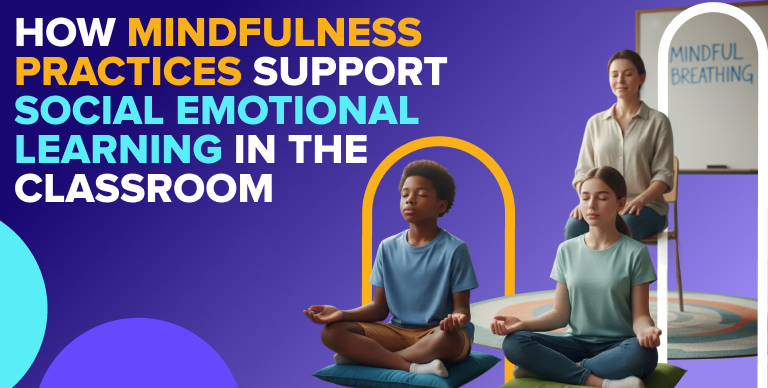
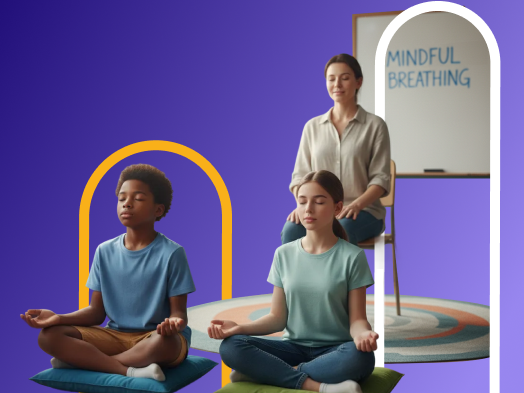
Social Emotional Learning, or SEL, is no longer a “nice to have” in education. It is essential. And one of the most effective ways to strengthen SEL in students is through mindfulness practices.
Mindfulness helps students slow down, tune in, and respond with intention. In busy classrooms and high-pressure learning environments, that skill matters more than ever.
Let’s break down how mindfulness supports social emotional learning, why it works, and how educators can use it in practical, student-friendly ways.
What Are Mindfulness Practices?
Mindfulness is the practice of being fully present in the moment. It means paying attention to thoughts, emotions, and surroundings without judgment.
In simple terms, mindfulness teaches students to notice what is happening inside and around them before reacting.
Mindfulness practices can include:
- Deep breathing exercises
- Short guided meditations
- Mindful listening
- Body scans
- Quiet reflection
- Mindful movement or walking
The best part? Mindfulness does not require special equipment or long sessions. Even one or two minutes can make a difference.
Why Mindfulness Matters for Social Emotional Learning
SEL focuses on helping students develop skills like emotional awareness, self-control, empathy, and responsible decision-making.
Mindfulness supports all of these skills by helping students pause and reflect instead of reacting automatically.
Research shows that regular mindfulness practice can:
- Reduce stress and anxiety
- Improve focus and attention
- Support emotional regulation
- Improve sleep and overall well-being
When students feel calmer and more aware, they are better prepared to learn and connect with others.
How Mindfulness Strengthens SEL Skills in Students
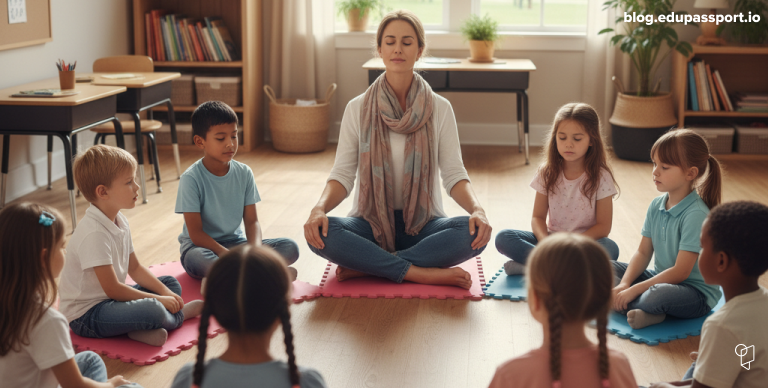
Mindfulness is not a replacement for SEL programs. It is a powerful tool that strengthens them.
Here is how mindfulness directly supports core SEL competencies.
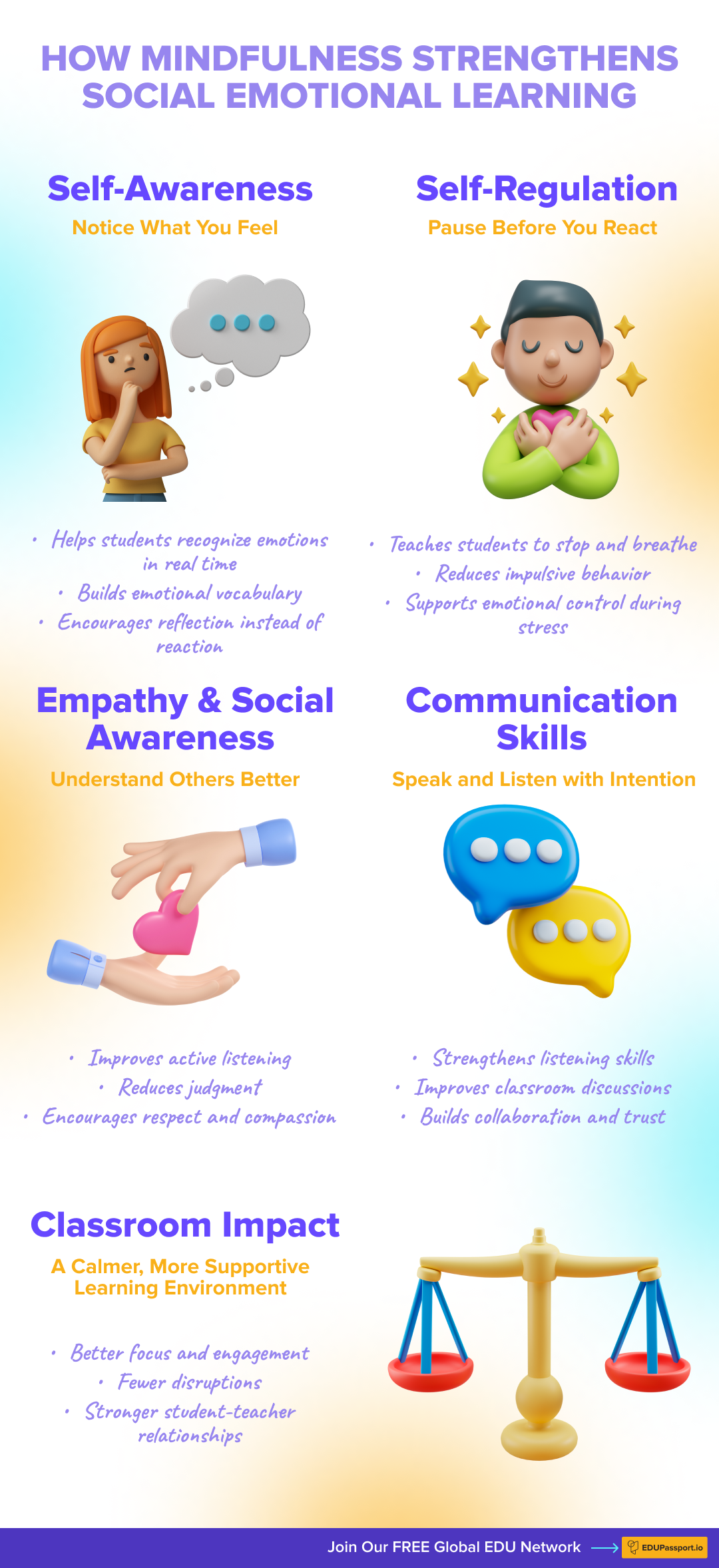
Builds Self-Awareness
Mindfulness helps students notice their thoughts, emotions, and physical reactions.
When students become aware of how they feel, they can better understand their strengths, triggers, and areas for growth. This awareness is the foundation of emotional intelligence.
Improves Self-Regulation
Once students recognize their emotions, they can learn how to manage them.
Mindfulness teaches students to pause, breathe, and choose how they respond. This is especially helpful during moments of frustration, conflict, or anxiety.
Instead of reacting impulsively, students learn to respond with intention.
Encourages Empathy and Social Awareness
Mindfulness is not only about looking inward. It also helps students become more aware of others.
When students practice mindfulness, they are more likely to:
- Listen without interrupting
- Notice how others feel
- Let go of quick judgments
These skills support empathy, respect, and positive peer relationships.
Strengthens Communication Skills
Mindful students are better communicators.
By being fully present in conversations, students learn to listen actively and express themselves more clearly. This leads to healthier classroom discussions and stronger collaboration.
The Difference Between SEL and Mindfulness
SEL and mindfulness are closely connected, but they are not the same.
Social Emotional Learning (SEL) is a structured educational approach. It focuses on teaching students skills related to emotions, relationships, decision-making, and self-management. SEL is often built into school curricula and classroom routines.
Mindfulness, on the other hand, is a practice. It is about awareness of the present moment without judgment. Mindfulness supports internal reflection and stress reduction.
Think of it this way:
- SEL is the framework
- Mindfulness is a tool that supports that framework
When combined, they create a strong foundation for student well-being and learning.
Simple Ways Educators Can Use Mindfulness in the Classroom
You do not need to be a mindfulness expert to get started. Small, consistent practices work best.
Try these simple ideas:
- Begin class with one minute of quiet breathing
- Use a short mindfulness break after transitions
- Practice mindful listening during group work
- Encourage students to notice their emotions before tests or presentations
These small moments add up and help create a calmer, more supportive learning environment.
Why SEL and Mindfulness Matter for Educators Too
Teaching is demanding. Educators face emotional and mental pressure every day.
Mindfulness practices can also support teachers by improving focus, reducing burnout, and creating stronger connections with students.
Educators who model mindfulness help students learn these skills naturally.
Teaching SEL Around the World
SEL and mindfulness are becoming global priorities in education. Schools and learning centers worldwide are looking for educators who understand student well-being, not just academics.
If you are an educator exploring international teaching opportunities, platforms like EDU Passport help connect you with schools and organizations that value holistic education.
Mindfulness is a simple practice with powerful results. When combined with strong SEL strategies, it helps students thrive academically, socially, and emotionally.
If you are an educator looking for meaningful teaching opportunities around the world, or a school seeking educators who understand modern learning needs, EDU Passport is built for you.
Create your free EDU Passport account and connect with schools that value social emotional learning.