





Education policy rarely sits still. But lately, it feels like the ground is moving faster than most educators can track.
Across the United States and beyond, legal and policy shifts are reshaping how schools are funded, governed, and staffed. These changes are not just headlines for administrators or lawmakers. They directly affect educator roles, career stability, hiring priorities, and professional growth.
According to reporting by K12 Dive, several major policy and legal trends are redefining how K–12 systems operate. The real question for educators is not “What changed?” It’s “What does this mean for my career?”
This article breaks down the big shifts, translates them into practical implications, and highlights where new opportunities are emerging for teachers, ESL and EAL specialists, school leaders, and education professionals worldwide.
What’s Changing in Education Policy
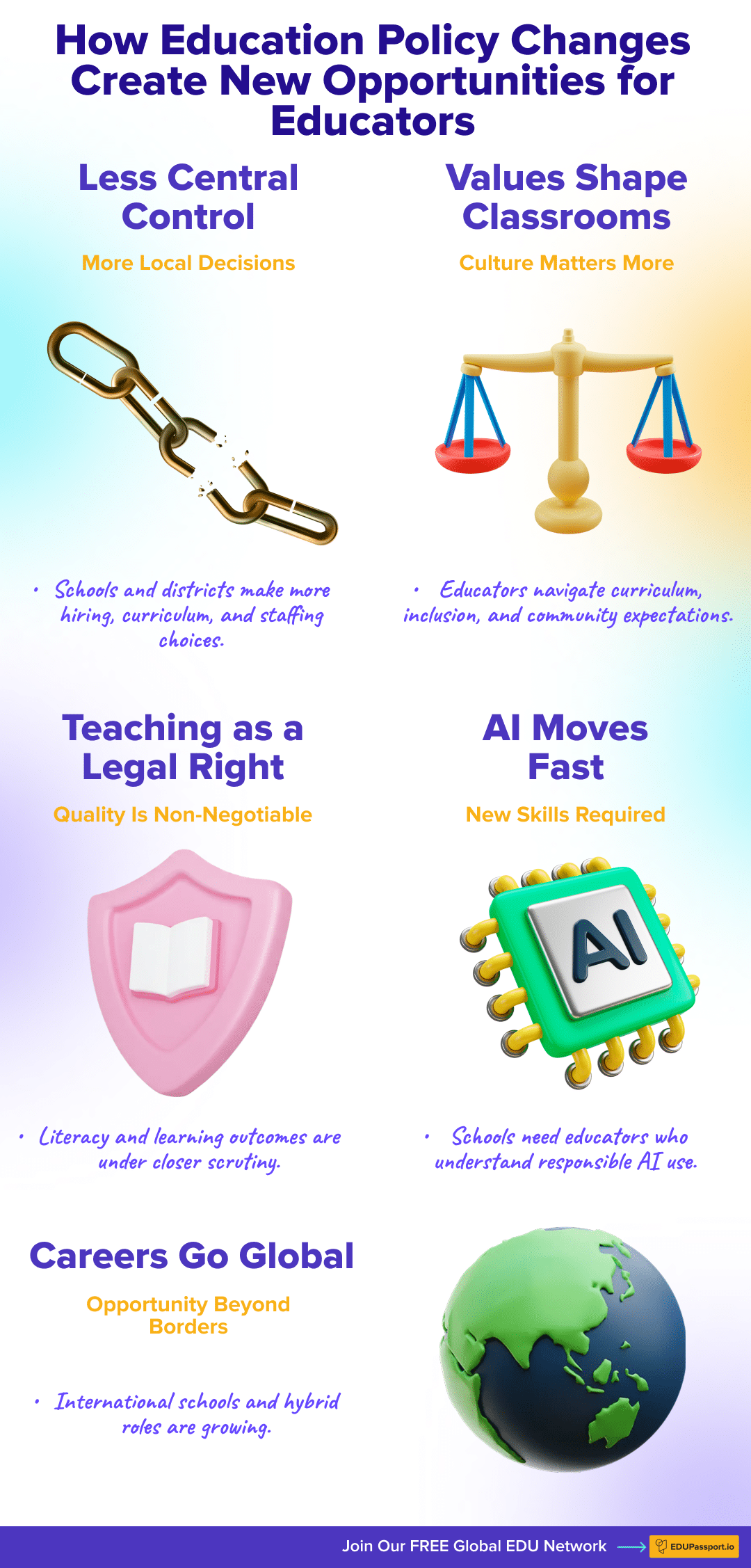
Less centralized support, more local control
Education systems are moving toward reduced federal involvement and increased state and district control. Schools are being asked to do more with fewer centralized resources. Funding pathways, compliance expectations, and accountability structures now vary widely depending on location.
This decentralization creates inconsistency. It also creates flexibility.
Districts and schools are making more independent decisions about staffing, curriculum, professional development, and external partnerships. For educators, that means the rules are no longer uniform. Your experience will depend heavily on where and how you work.
A growing role for religion and values in public education
Legal decisions are expanding how religion, parental choice, and belief-based policies intersect with public schooling. Curriculum opt-outs, faith-based charter discussions, and values-driven policy debates are becoming more common.
Schools are navigating complex cultural expectations. Educators are being asked to balance instructional standards with community values, sometimes in very visible ways.
Education as a legal right, not just a service
Courts are increasingly treating education as a measurable right rather than a general promise. Legal arguments are expanding beyond funding into specific areas like literacy, reading outcomes, and civics education.
This shift reframes teaching quality as a legal obligation. Schools are under pressure to demonstrate effectiveness, not just effort.
Rapid growth of AI policies in schools
Artificial intelligence is moving faster than education systems can regulate it. States, districts, and organizations are issuing guidance, frameworks, and rules. Data privacy, student safety, and responsible AI use are now part of everyday school conversations.
Educators are expected to understand AI, even when policies are still catching up.
What This Means for Educator Careers

These changes can feel unsettling. But they also open doors.
Demand is shifting, not shrinking
As federal support becomes less predictable, schools rely more on specialists, consultants, and flexible staffing models. Educators with experience in curriculum design, literacy intervention, compliance, inclusion, or instructional leadership are increasingly valuable.
International schools and private institutions are also watching these shifts closely. Many are recruiting educators who understand diverse regulatory environments and can adapt quickly.
Policy fluency is becoming a career advantage
Educators who understand education policy, legal expectations, and compliance basics stand out. You do not need a law degree. You need awareness.
Teachers who can align instruction with literacy benchmarks, civics requirements, or AI guidelines are more likely to move into leadership roles or advisory positions.
ESL and EAL expertise is gaining relevance
As policies around inclusion, language access, and equity evolve, language education remains central. Schools serving multilingual communities need educators who can support literacy, communication, and cultural navigation.
This is especially true in international and globally connected schools. ESL and EAL educators with cross-border experience are well positioned for global opportunities.
New roles are emerging beyond the classroom
Policy shifts drive growth in non-traditional education roles. Think instructional coaches, edtech trainers, AI literacy facilitators, curriculum consultants, and education program managers.
Many of these roles are not tied to a single school or country. They operate across networks, platforms, and regions.
How Educators Can Prepare and Respond
Build adaptable skills
Focus on skills that travel well. Literacy instruction. Data-informed teaching. Curriculum mapping. AI literacy. Cross-cultural communication.
These skills matter regardless of policy direction. They also translate across borders and systems.
Track opportunities, not just openings
Career growth no longer follows a straight ladder. It follows networks.
Educators benefit from staying visible, informed, and connected to new roles, projects, and collaborations. This includes jobs, conferences, workshops, and partnerships with education vendors or service providers.
Stay informed without burning out
You do not need to read every policy update. You need curated insight and context.
Follow platforms and communities that translate education shifts into practical takeaways. Focus on “what this means for my work” rather than legal jargon.
Explore global and hybrid career paths
As education systems diverge, international opportunities expand. Schools, education companies, and nonprofits value educators who can operate across cultures and frameworks.
Hybrid roles that mix teaching, training, content creation, and consulting are becoming more common. Many are project-based or remote-friendly.
Where EDU Passport Fits In
EDU Passport exists for moments like this.
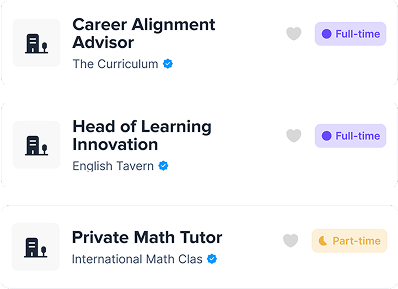
It is a global education hub where educators discover international teaching jobs, education events, conferences, and trusted education vendors. It helps educators see where the field is heading and how to move with it.
Instead of chasing headlines, educators can explore real opportunities. Jobs aligned with their experience. Events that build future-ready skills. Tools and services designed for modern classrooms.
As education policy reshapes the landscape, EDU Passport helps educators navigate it with clarity and confidence.
Turn Change Into Opportunity
Education policy will keep evolving. That part is guaranteed.
What is not guaranteed is how prepared educators feel when it does.
The educators who thrive are not the ones who predict every shift. They are the ones who stay adaptable, informed, and connected to opportunity.
If you want to explore global education jobs, discover professional events, and connect with tools and services shaping the future of education, join EDU Passport.
Create your free profile. Stay ahead of change. Build a career that moves with education, not against it.