



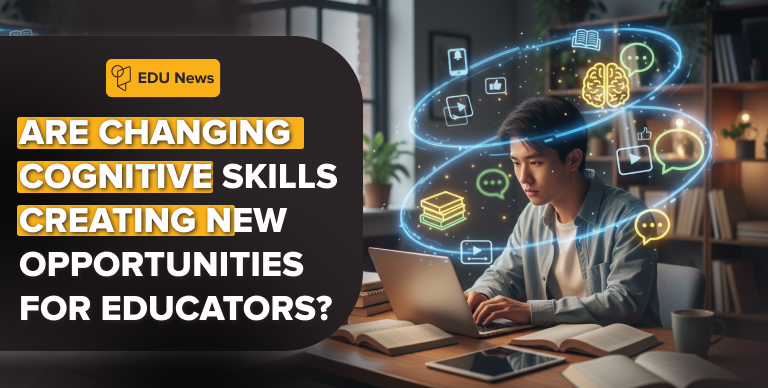
Classrooms are changing. Student learning behaviors are shifting. Attention spans, reading habits, and problem solving styles look different from what many educators experienced growing up. That shift is raising big conversations about cognitive development and academic performance.
For educators, this is not just a research topic. It is a career signal. It highlights new teaching demands, new training needs, and new professional opportunities. Understanding these shifts can help teachers stay relevant, adaptable, and competitive in global education.
According to reporting by NCH Stats, researchers are observing changes in cognitive test performance among younger generations, particularly in areas like sustained attention, reading comprehension, and mathematical reasoning. While scientists continue to debate what these changes truly mean, one thing is clear. Education is evolving fast.
What’s Changing
For decades, average intelligence test scores steadily increased across generations. Researchers often linked this improvement to better access to education, stronger public health systems, and wider availability of information.
That steady growth appears to be slowing or shifting in some regions. Studies suggest younger learners sometimes show challenges in sustained focus, long form reading, memory retention, and deep analytical thinking.
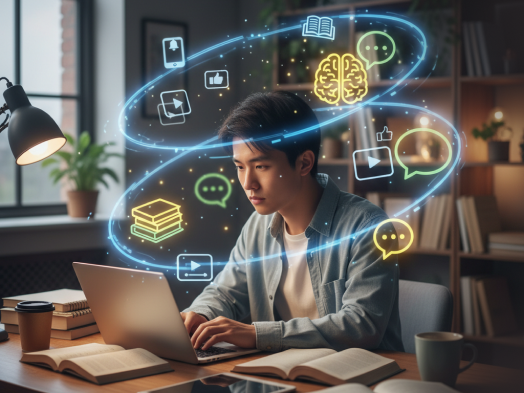
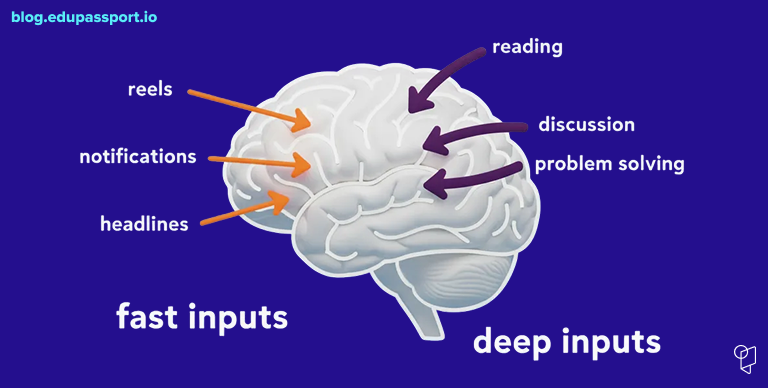
Many researchers are examining the growing influence of digital learning environments. Increased exposure to short form content, rapid information delivery, and algorithm driven learning experiences may encourage scanning behaviors instead of deep comprehension.
Students today often consume knowledge through bite sized formats. They move quickly between apps, videos, and interactive content. This style supports fast information gathering but may reduce practice in extended concentration and structured reasoning.
Another major shift involves social learning. Traditional education relied heavily on direct conversation, debate, mentorship, and collaborative problem solving. As digital learning expands, some educators report fewer opportunities for sustained classroom dialogue and peer interaction.
At the same time, not all researchers believe intelligence is declining. Some argue that students are developing different cognitive strengths. These include digital navigation, rapid information filtering, and multitasking abilities. The real story may be transformation, not decline.
What This Means for Educators’ Careers
Shifting student learning patterns create strong demand for educators who can balance technology with deep learning strategies. Schools worldwide are searching for professionals who can help students build focus, critical thinking, and analytical reasoning while still leveraging digital tools effectively.
This trend is especially relevant for ESL and international school teachers. Language learning depends heavily on sustained reading, listening, and conversation skills. As attention patterns change, educators who can design engaging yet cognitively rich lessons become highly valuable.
There is also rising demand for specialists in areas such as:
- Digital literacy instruction
- Attention and executive functioning development
- Project based and inquiry based learning
- Social and collaborative learning design
- Blended and balanced technology integration
Education leaders are also investing in curriculum redesign. They want programs that strengthen reading endurance, discussion skills, and deep conceptual understanding. Teachers who understand both traditional pedagogy and modern learning science are becoming key hires in international schools.
Professional development is expanding too. Conferences, workshops, and certification programs now focus on brain based learning, student engagement psychology, and technology balance strategies.
For educators willing to adapt, these shifts open doors to leadership roles, curriculum consulting, and specialist teaching positions.
How Educators Can Respond and Prepare
Rebuild Deep Learning Habits in the Classroom
Encourage sustained reading and long form discussion. Design activities that require reflection, analysis, and extended problem solving. Students often need guided practice to rebuild these skills.
Balance Technology with Cognitive Engagement
Technology is not the enemy. It is a tool. Use digital platforms intentionally. Combine interactive content with tasks that require critical thinking, writing, and real conversation.
Strengthen Collaborative Learning
Peer discussion improves memory and comprehension. Group projects, debates, and mentorship style learning can rebuild social cognitive skills while keeping students engaged.
Invest in Professional Growth
Educators who stay current with learning science trends remain competitive globally. Training in neuroscience informed teaching, student attention strategies, and blended learning design can boost career opportunities.
Expand International Teaching Awareness
Different education systems are responding to cognitive shifts in unique ways. International schools often experiment with innovative learning models faster than traditional systems. Staying connected to global opportunities helps educators learn new methods and grow professionally.
Where EDU Passport Supports Educators
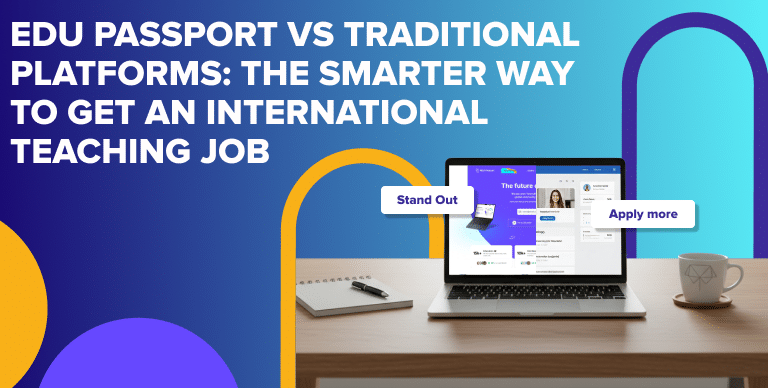
As education evolves, staying connected to global opportunities becomes essential. EDU Passport helps educators explore career paths that align with modern teaching demands.
On EDU Passport, educators can:
- Discover international teaching jobs that value modern learning expertise
- Explore global education conferences focused on future ready teaching strategies
- Connect with vendors offering tools that support student focus and engagement
- Build professional networks with educators facing similar classroom changes
The platform acts as a global hub where educators share strategies, discover new roles, and stay ahead of education trends.
The Bigger Picture for Educators
Education has always adapted to societal change. Printing presses transformed learning. The internet reshaped information access. Digital immersion is now reshaping how students think, learn, and engage.
For educators, this moment is not a warning sign. It is a career opportunity. Teachers who understand changing cognitive patterns can design stronger learning experiences. They can lead innovation. They can shape how the next generation learns to think deeply in a fast moving world.
Join the Global Education Conversation
If you want to stay ahead of changing classroom trends, explore global teaching opportunities, and connect with educators shaping the future of learning, join the EDU Passport community.
Sign up for free to discover international jobs, events, tools, and professional growth opportunities designed for modern educators.