




Education does not always begin in institutions. Sometimes, it begins in small rooms, quiet conversations, and people who decide to learn again.
In a small bookshop café in Agadir, Morocco, something powerful is happening, quietly.
No protests. No headlines. No viral campaigns.
Just women sitting together, reading, thinking, and finally speaking.
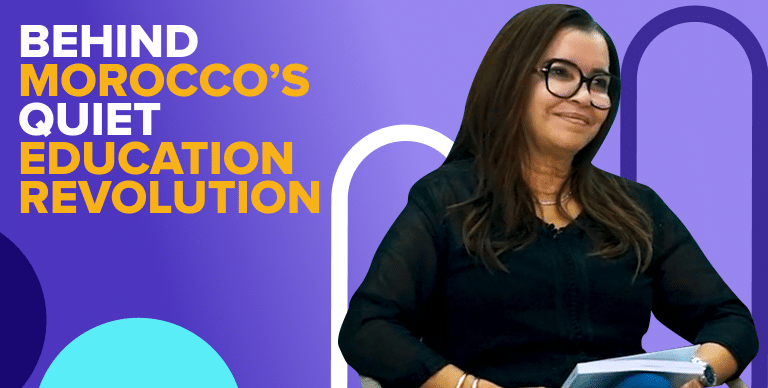
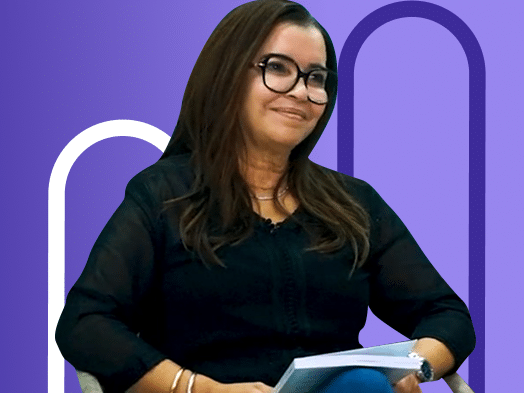
At the center of it all is Loubna Belmalim, a former teacher who spent three decades in classrooms before realizing that education doesn’t end when the lesson does. Sometimes, that’s where it truly begins.
A Different Kind of Classroom
Loubna didn’t start with a grand plan.
After years of teaching, she noticed something deeper in her students. They weren’t just struggling with subjects, they were struggling with life. Many carried questions they couldn’t ask anywhere else.
So she created a space where they could.
What started inside a school slowly evolved into something bigger: a reading club called Taldesa, which means knowledge in Amazigh.
At first, it was just a handful of women meeting casually, reading books and sharing thoughts. But the impact was immediate. Conversations became more honest. Voices became stronger. And something rare began to form, trust.
More Than Reading
The club was never really about books. It was about what happens because of books.
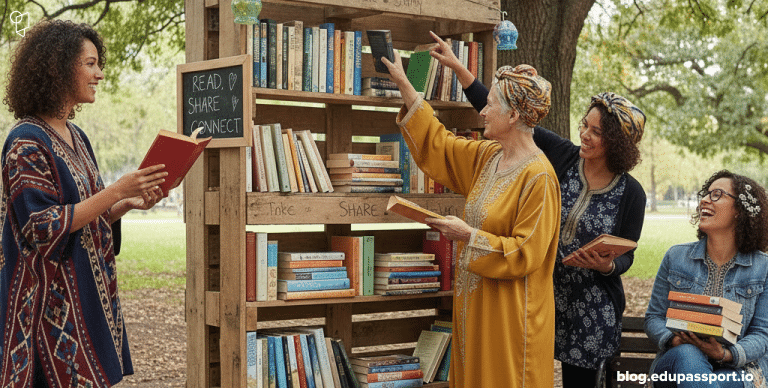
Women who had spent years staying silent began to open up about their lives, about marriage, pressure, identity, and dreams they had quietly set aside. In a culture where expression can sometimes feel limited, this space offered something different.
It gave them permission. Not loudly. Not dramatically. But consistently.
And that consistency changed things.
When Education Is Interrupted
In many communities, some girls are still pulled out of school early. Life decisions are made for them before they fully understand their own potential.
Loubna knows she can’t change that system overnight.
But she also knows something important: learning doesn’t only happen in school.
Inside her reading club are women who never finished their education. Yet through shared discussions and exposure to new ideas, they begin to rebuild something that was interrupted.
At first, they listen.Then they speak.
And eventually, they start to think in ways they never had the chance to before.
Finding a Voice,Then Owning It
One of the most powerful moments came unexpectedly.
Some women admitted they had been writing privately for years, hiding their thoughts, unsure if they had the right to express them openly.
Loubna encouraged them to stop hiding.
What followed was a collective step forward: a book written by 25 women from the club. This time, there were no initials. No pseudonyms. No fear. Just real names.
For many of them, it wasn’t just about publishing a book. It was about reclaiming their voice in a world that had never fully asked to hear it.
Why It Matters
There’s a belief Loubna often shares: when you educate a woman, you influence an entire generation.
Not in theory, but in everyday life.
A woman who reads begins to question. A woman who questions begins to grow.
And that growth naturally extends to her family, her children, and her community.
It doesn’t look like a revolution. But it is.
Building Something Bigger
Today, the reading club continues to grow, slowly but meaningfully. The vision is not limited to one city or even one country. There’s a desire to connect with other communities, exchange ideas, and expand access to knowledge across cultures.
But like many grassroots efforts, it faces limitations : visibility, resources, and access to books.
Still, the foundation is strong.
Because it was never built on funding or trends. It was built on belief.
A Quiet Reminder
The future of education will not be built solely through formal institutions or digital platforms. It will also be shaped by small, consistent efforts happening within communities, where learning is rebuilt, voices are rediscovered, and individuals begin to see new possibilities for themselves.
What Loubna Belmalim has created is not just a reading club. It is an example of how education can adapt, expand, and reach those who were once left behind.
And in a rapidly evolving education ecosystem, these models are no longer peripheral. They are essential.
Conclusion
This type of initiative represents an emerging layer within the global education landscape.
Alongside schools, universities, and edtech platforms, there is growing importance in community-led learning environments. These spaces are flexible, accessible, and often more inclusive for individuals who fall outside traditional systems.
They also highlight a broader shift.
Education is no longer confined to where you study. It is increasingly defined by how you continue learning, who you learn with, and the environments that support that growth.
For platforms like EDU Passport, this signals an opportunity to connect not only institutions and professionals, but also grassroots educators and community-driven initiatives that are often overlooked.