




Cheating prevention is no longer just about rules and supervision. It is about creativity, trust-building, and designing assessment environments that encourage genuine learning. Across classrooms worldwide, educators are experimenting with unconventional strategies to promote honesty while keeping students engaged.
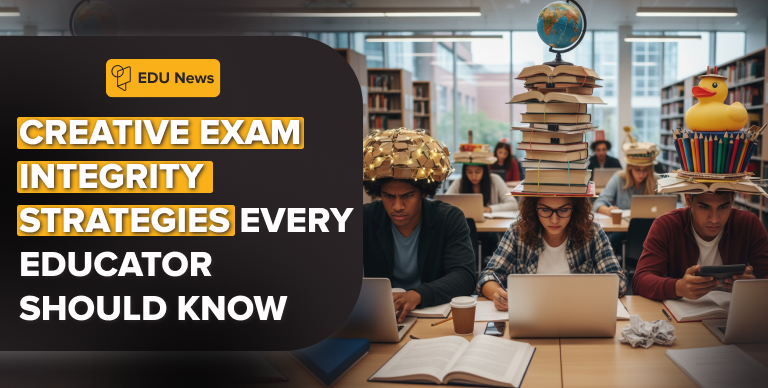
A viral classroom experiment in the Philippines highlighted how creative solutions can spark global conversations about exam integrity. According to reporting by BBC News, a professor encouraged students to design homemade headgear intended to block their view of classmates’ papers during exams. While the idea gained attention for its humor and creativity, it also revealed something deeper. Educators are searching for fresh, effective ways to promote accountability in learning environments.
For teachers, school leaders, and ESL or international educators, this shift presents both challenges and career opportunities.
What Is Changing in Exam Integrity Approaches
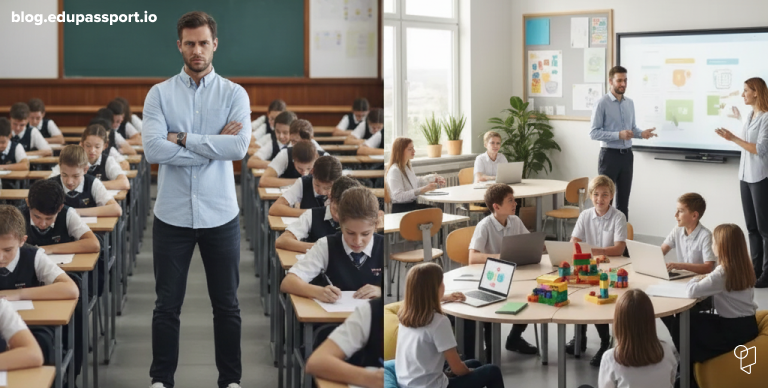
Traditional exam monitoring relies heavily on strict invigilation, surveillance, and punishment-based policies. Many institutions now realize these methods alone do not address the root causes of academic dishonesty.
Instead, schools and universities are experimenting with strategies that combine accountability with student engagement. These approaches include:
Creative Physical Solutions
Simple tools or creative classroom rules can discourage cheating while making students more aware of ethical behavior. In the Philippines example, students built anti-cheating hats using recycled materials. The activity added humor but also reinforced personal responsibility.
Assessment Design Innovation
Educators increasingly shift toward open-ended tasks, project-based assessments, and applied learning evaluations. These formats make cheating harder while promoting critical thinking and language development, especially in ESL environments.
Student Ownership of Integrity
When students participate in designing exam rules or accountability measures, they often develop stronger ethical awareness. This collaborative approach encourages students to value honesty rather than fear punishment.
Technology and Hybrid Monitoring
Digital assessment tools, AI detection platforms, and secure exam software continue to expand. These technologies support both in-person and remote testing environments, especially in international education settings.
Together, these changes reflect a broader trend. Schools are moving from enforcement-heavy models to learning-centered integrity strategies.
What This Means for Educators’ Careers and Opportunities
Exam integrity is becoming a specialized skill set. Educators who understand assessment innovation and ethical learning design are gaining professional advantages across global education markets.
Higher Demand for Assessment Specialists
International schools and language programs increasingly seek educators who can design secure, creative, and student-centered assessments. ESL and EAL teachers benefit particularly because language proficiency evaluation requires flexible and authentic testing methods.
Growth in Educational Technology Roles
EdTech companies continue developing integrity-focused assessment tools. Teachers with experience using digital proctoring systems, plagiarism detection software, or AI-assisted evaluation platforms can transition into training, consulting, or product development roles.
Professional Development and Conference Opportunities
Assessment innovation is a growing topic at international education conferences. Workshops and global events now focus on academic integrity, authentic assessment, and student engagement strategies. These events allow educators to share ideas, discover new tools, and expand global networks.
Leadership and Curriculum Design Pathways
Educators who successfully implement creative integrity strategies often move into academic leadership roles. Schools value professionals who can build trust-based learning cultures and modernize evaluation systems.
These opportunities highlight an important reality. Academic integrity is no longer just a classroom issue. It is a career-building expertise.
How Educators Can Prepare and Stay Competitive
Educators who want to stay relevant in global education should start strengthening their assessment design skills now.
Experiment with Creative Integrity Methods
Small classroom innovations can have a major impact. Teachers can introduce collaborative exam rule-setting, reflective assessments, or creative accountability tools that encourage student responsibility.
Adopt Authentic Assessment Models
Project-based learning, portfolio evaluations, and real-world problem solving reduce cheating risks while improving student engagement. These methods work especially well for multilingual and international classrooms.
Stay Updated on EdTech Assessment Tools
New platforms help teachers monitor exams, track academic integrity, and analyze student performance patterns. Understanding these tools strengthens both classroom effectiveness and employability.
Join Professional Learning Communities
Collaborating with global educators exposes teachers to new strategies and emerging trends. Sharing success stories and challenges helps educators refine integrity approaches and stay innovative.
Build Evidence of Assessment Expertise
Educators should document successful classroom integrity strategies, student outcomes, and assessment redesign projects. These examples strengthen job applications and professional portfolios.
How EDU Passport Supports Educators in This Space
As academic integrity and assessment innovation become global priorities, educators benefit from access to career pathways, training opportunities, and professional collaboration networks.
On EDU Passport, educators can:
- Discover international teaching roles that value innovative assessment skills
- Find global conferences and workshops focused on evaluation and learning integrity
- Connect with education vendors offering assessment technology and classroom tools
- Network with educators who share practical classroom strategies
The platform helps teachers turn classroom experimentation into professional growth opportunities.
The Bigger Picture for Global Education
Creative solutions like classroom integrity challenges may seem playful at first glance, but they reflect a deeper transformation in education. Schools are moving toward trust-driven, student-centered learning environments that reward authentic effort and skill development.
Educators who embrace these changes position themselves as leaders in modern teaching practice. They build stronger classroom cultures, improve student outcomes, and unlock international career opportunities.
Ready to Expand Your Teaching Opportunities?
If you want to explore global teaching roles, professional events, or innovative classroom tools that support modern assessment strategies, EDU Passport connects you with the opportunities shaping the future of education.
Join a global network of educators who are building smarter, more ethical, and more engaging learning environments.