


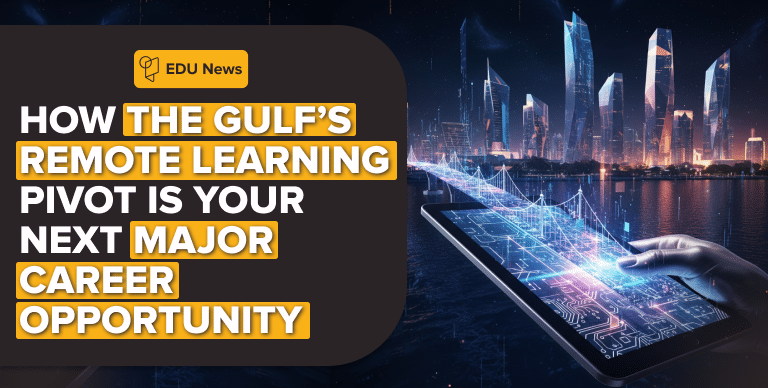

The global education landscape is known for its resilience, but even the most seasoned international educators are currently watching the Middle East with a focused eye. A sudden geopolitical shift has prompted several nations—including the UAE, Qatar, Israel, and Kuwait—to rapidly transition their campuses to remote learning or pause operations entirely.
For the modern educator, this is more than just a headline about regional stability. It is a signal of a deepening trend in how global education functions during periods of uncertainty. While the immediate focus is on safety, the secondary focus for professionals in the field is clear: How do we maintain educational continuity when the physical classroom is no longer an option?
This moment represents a pivotal point for your career strategy. As traditional “safe haven” hubs adapt to new realities, the demand for adaptable, tech-savvy, and crisis-ready educators is reaching an all-time high.
What’s Changing: The Rapid Pivot to Distance Education
According to recent reporting by University World News, a widening military conflict involving the US, Israel, and Iran has led to widespread academic disruption across the MENA (Middle East and North Africa) region.
In response to the escalation that began in late February 2026, several countries have taken proactive measures:
- Widespread Remote Learning: The UAE, Qatar, and Kuwait have rapidly transitioned both public and private institutions to distance education to ensure student safety.
- Campus Closures: In Iran and Israel, universities have moved to emergency status, with many suspending non-mandatory activities and shifting entirely to digital platforms.
- Logistical Hurdles: Temporary closures of regional airspace have left some international faculty and students in transit, highlighting the complexities of the globalized campus.
While experts suggest that the long-term status of these academic hubs remains strong, the immediate “theatre of risk” is forcing a total rethink of how international branch campuses protect their staff and students.
What This Means for Your Education Career
If you are currently teaching in the Middle East, or considering an international move, these shifts carry significant weight for your professional trajectory. This isn’t just about “waiting it out”—it’s about positioning yourself as a solution.
1. The “Distance Learning” Skillset is No Longer Optional
The transition in the Gulf wasn’t a suggestion; it was an overnight mandate. Schools and universities are now prioritizing hires who can move seamlessly between an in-person classroom and a digital one. If you have mastered LMS (Learning Management Systems) and synchronous online engagement, your value in the international market has just doubled.
2. A New Era of Crisis Management in Schools
There is a growing demand for leadership roles focused on institutional “robustness.” Schools are looking for administrators who can develop and execute “continuity of education” plans. If you have experience in policy writing, emergency coordination, or student welfare during crises, you are positioned for high-level leadership opportunities.
3. Stability is the New Currency
As Professor Atta-ur-Rahman noted in the original report, safety is the single most important factor for international families. Educators who can provide a sense of calm, structured learning, and reliable communication during volatile times will become the “anchors” of their institutions. This “soft skill” is becoming a hard requirement for international school recruiters.
4. Shifts in Global Mobility
While the Gulf remains a massive employer of international talent, you may see a temporary shift in hiring patterns as schools wait for the geopolitical dust to settle. This is an ideal time to diversify your search and look at how different regions are handling student and staff mobility.
How Educators Can Respond and Prepare
Opportunities often hide within transitions. Position yourself as a proactive leader by taking these practical steps:
- Audit Your Digital Portfolio: Ensure your CV highlights your ability to lead remote or hybrid classrooms. Mention specific tools (Zoom, Teams, Canvas, Seesaw) and your success rates in maintaining student engagement during past disruptions.
- Watch the “Hub” Markets: The UAE and Qatar host a massive number of international branch campuses. Monitor how these specific institutions adapt. Their “crisis desks” and new safety protocols will likely set the global standard for international education management.
- Invest in Conflict Management Skills: As suggested by global education leaders, curricula are shifting to include international relations and peace studies. Upskilling in these areas can make you a valuable asset for social studies and humanities departments globally.
- Leverage Your Network: Now is the time to connect with peers in the region. Understanding the ground-level reality of these transitions will give you an edge during interviews for international roles.
Your Connection to the Global Education Hub
In a fast-moving global market, information is your best tool for career stability. Platforms like EDU Passport are designed to help you navigate these exact shifts by connecting you to the right resources at the right time.
- Explore EDU Jobs: Track which regions are actively hiring and see how job descriptions are evolving to include remote-readiness.
- Discover EDU Events: Look for upcoming webinars and conferences focused on educational technology and international school leadership to sharpen your edge.
- Access EDU Deals: Find discounts on digital teaching tools or specialized certifications that help you transition your classroom online with professional polish.
The global education landscape is changing, but change always brings new pathways for growth. By staying informed and adaptable, you ensure that your career remains as mobile and resilient as the students you serve.