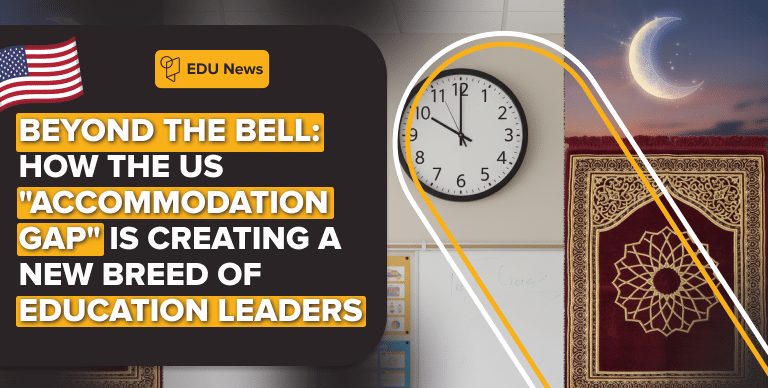



Ramadan changes the rhythm of school life. Schedules shift. Energy patterns change. Families become more involved in daily routines. For educators, especially in Muslim-majority countries, this season brings both complexity and possibility.
Now, governments are responding with something bigger than timetable tweaks. They are standardizing digital learning systems to ensure consistency, fairness, and stronger home-school collaboration during Ramadan.
If you teach internationally or are considering the Middle East, this is not just a seasonal update. It is a signal. And signals create opportunity.
What’s Changing in Ramadan School Systems
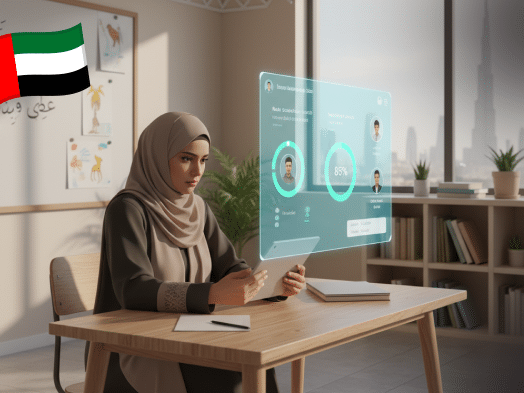
According to reporting by Gulf News, the UAE Ministry of Education has introduced a unified digital system for submitting and assessing student assignments during Ramadan across public schools.
Under this framework, all student work is uploaded through a centralized Learning Management System. Teachers follow structured guidelines when creating assessments. Students submit work electronically in approved formats. Assignments are clearly labeled and graded within a standardized system.
The stated goals are consistency, transparency, performance monitoring, and stronger family engagement.
At first glance, this may look like an administrative adjustment.
It is not. It is part of a broader digital transformation trend reshaping how schools operate during culturally significant periods. And that affects you.
What This Means for International Educators
1. Digital Fluency Is Now a Core Hiring Advantage
Unified digital systems signal something clear.
Schools want structured, trackable, LMS-driven learning environments. Not just during Ramadan. Always.
If you can confidently:
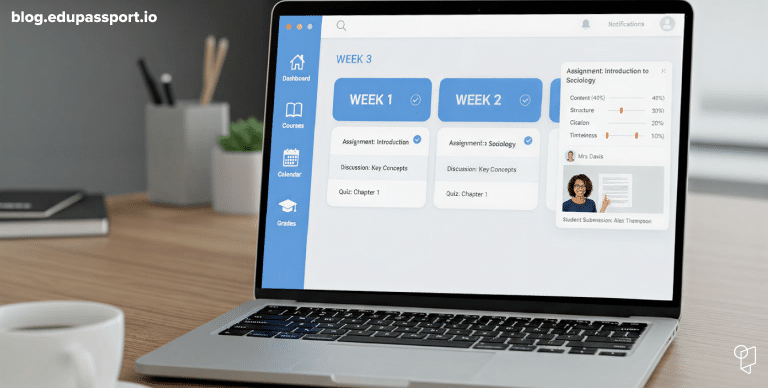
- Design assignments inside an LMS
- Create clear digital rubrics
- Manage online submissions
- Adapt assessments for flexible schedules
You move up the hiring shortlist. For ESL and EAL teachers, this matters even more. Language learners often rely on structured digital instructions, visual supports, and asynchronous options. Ramadan adjustments amplify that need. Digital clarity is no longer a bonus skill. It is a professional expectation.
2. Cultural Intelligence Is Becoming a Career Differentiator
Ramadan affects focus, family routines, and daily energy levels.
When ministries create structured digital systems during this period, they are acknowledging cultural rhythm while protecting academic continuity.
Schools want educators who understand that balance.
Can you:
- Adjust workload expectations thoughtfully?
- Design family-inclusive tasks?
- Communicate clearly with parents?
- Show cultural respect while maintaining academic standards?
If yes, you are not just a teacher. You are a culturally agile professional. International schools value that deeply.
3. ESL and EAL Demand May Rise in Digitally Structured Systems
Standardized digital platforms often expose learning gaps more clearly.
When assignments are centralized and performance is closely monitored, language barriers become visible faster.
That increases the need for:
- Targeted language support
- Scaffolded digital instructions
- Video-based explanations
- Clear grading rubrics for multilingual learners
If you specialize in ESL or EAL, this shift works in your favor.
Structured systems create clearer data. Clearer data highlights language support needs. And that creates hiring demand.
4. Leadership Opportunities Expand in Digital Transitions
Whenever a ministry standardizes systems, schools need internal champions.
Digital coordinators. Curriculum leaders. LMS trainers. Assessment designers.
If you have experience leading digital implementation or mentoring colleagues in platform use, this is your moment.
Ramadan-specific frameworks often act as pilot programs for year-round digital improvements.
Early adopters become long-term leaders.
The Bigger Trend Behind This Shift
This is not only about Ramadan.
It reflects three global movements:
- Governments are centralizing digital learning systems.
- Schools are strengthening home-school collaboration.
- Accountability and transparency are increasing across public education.
The Middle East is investing heavily in educational technology and system alignment.
For international educators, especially those considering the UAE or wider Gulf region, this signals stability, modernization, and structured growth.
That translates into opportunity.
How You Can Position Yourself Now
You do not need to wait for change. You can prepare for it.
Strengthen Your LMS Expertise
If you have worked with Google Classroom, Moodle, Canvas, or similar platforms, document that clearly on your profile and CV.
Be specific. Mention:
- Digital assessment design
- Online grading workflows
- Student data tracking
- Parent communication features
Specific beats vague every time.
Develop Ramadan-Aware Teaching Strategies
If you are targeting roles in Muslim-majority countries:
- Learn how school schedules adapt during Ramadan
- Design flexible assignment timelines
- Build family-inclusive projects
- Practice culturally responsive communication
Schools notice educators who do their homework before applying.
Highlight Structured Assessment Experience
Unified systems prioritize clarity.
Use language like:
- Standards-aligned assessment
- Rubric-based grading
- Data-informed instruction
- Transparent evaluation processes
Hiring leaders search for these signals.
Watch the Gulf Education Market Closely
Policy shifts often precede hiring waves.
When ministries modernize systems, schools expand digital infrastructure. That can mean:
- More EdTech integration
- More professional development
- More specialist roles
- Increased demand for tech-comfortable teachers
Tracking these developments helps you move early, not late.
Where EDU Passport Fits In
Education shifts quickly. Opportunity moves with it.
Platforms like EDU Passport help you:
- Discover international teaching jobs aligned with digital learning growth
- Track education conferences and regional events
- Connect with vendors providing LMS tools and EdTech solutions
- Build a professional profile that highlights your digital and cultural strengths
Instead of reacting to isolated news stories, you can monitor patterns.
And patterns create strategy.
When you see digital transformation accelerating in regions like the UAE, you can adjust your positioning immediately.
That is how proactive educators build global careers.
This Is Bigger Than Ramadan
Ramadan frameworks are not temporary fixes.
They are stress tests for modern education systems.
If a country can maintain fairness, transparency, and structured learning during a culturally significant period, it signals institutional maturity.
And mature systems attract global talent.
If you are an international educator, especially in ESL or EAL, this shift should not intimidate you.
It should sharpen you.
Digital clarity. Cultural intelligence. Structured assessment skills.
Those are career accelerators.
Stay Ahead of Global Education Shifts
Education policy changes will continue. Digital systems will expand. Cultural responsiveness will matter more, not less.
You can wait and watch. Or you can position yourself early.
Explore where digital transformation is opening new doors. Strengthen your profile. Track emerging markets. Connect with schools that are evolving.
Join a global network built for educators who move forward. Your next opportunity may already be taking shape.