




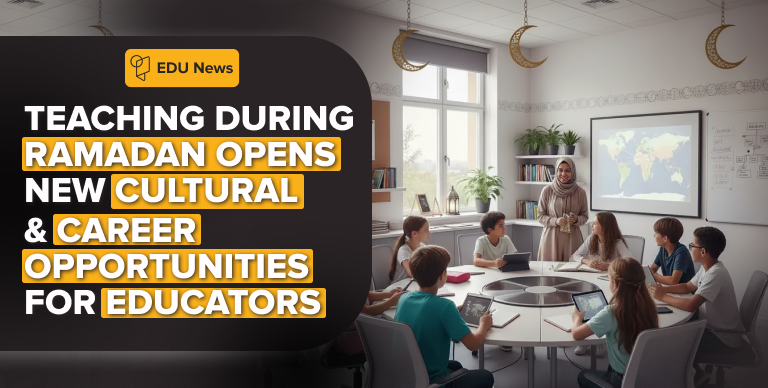

Ramadan is widely recognized as a time of reflection, compassion, generosity, and community connection. In education, it is also becoming a powerful teaching moment. Schools around the world are using Ramadan learning programs to help students explore values, cultural identity, and social responsibility. For educators, this growing focus is opening new professional pathways, especially in international and culturally diverse school environments.
As education shifts toward developing the whole student, Ramadan-themed teaching initiatives highlight how cultural learning can strengthen both classroom engagement and career growth for teachers.
What’s Changing
Many school systems are expanding their approach to student development. Academic achievement remains important, but schools increasingly want students to build empathy, cultural awareness, and social responsibility. Cultural and faith-based learning programs, including those centered around Ramadan, are becoming key tools for achieving these goals.
According to reporting by Gulf Times, the Ministry of Education and Higher Education introduced an initiative designed to strengthen cultural and moral education through lectures, workshops, and community engagement activities. The program included learning sessions led by scholars such as Sheikh Othman Al Khamis and Dr. Haifa Younis, alongside charity outreach projects delivered in collaboration with Qatar Charity.
While this initiative focuses on Islamic values, the wider education trend is global. Schools across international networks, bilingual programs, and culturally focused institutions are using meaningful cultural moments like Ramadan to promote values-based learning. These programs encourage students to explore compassion, reflection, generosity, and community responsibility through real-world activities and classroom discussion.
For educators, this signals an important shift in what schools expect from teaching professionals.
What This Means for Educators’ Careers or Opportunities

Increased Demand for Cultural and Values-Based Curriculum Skills
Schools want educators who can go beyond textbooks. Teachers who can design lessons that connect academic content with cultural learning are becoming highly valued. Ramadan teaching programs often include storytelling, reflective writing, ethical discussions, and community service projects. These learning approaches align closely with ESL and EAL teaching methods, where language development naturally connects with culture and identity.
Educators who can confidently integrate cultural themes into lessons often stand out in international hiring markets.
Expanding Opportunities in Faith-Based and International Schools
Faith-based schools and culturally centered education programs are expanding globally. Many of these schools deliver international curricula while incorporating cultural or religious identity as part of student development.
Teachers who understand how to work respectfully within cultural contexts often discover strong career stability and leadership growth in these institutions. Experience with Ramadan programs can demonstrate cultural competency and global teaching readiness, which are highly attractive skills for international schools.
New Leadership Roles in Student Development and Wellbeing
Ramadan education programs frequently include charity projects, reflection activities, and community engagement initiatives. These programs align closely with student wellbeing and character education priorities that many schools are expanding.
This creates career opportunities in areas such as student wellbeing coordination, service learning leadership, pastoral care, and curriculum development. Educators who help design or lead values-based programs often move into mentoring and leadership roles faster than traditional classroom pathways.
Stronger Value for Cross-Cultural Teaching Expertise
International classrooms are increasingly diverse. Teachers who can navigate cultural conversations with confidence and respect help students feel included and understood. Ramadan teaching programs help educators build experience facilitating discussions around identity, values, and community traditions.
This type of experience strengthens teacher portfolios and demonstrates readiness for global teaching environments.
How Educators Can Respond or Prepare
Educators do not need to specialize in religious education to benefit from this trend. Schools are looking for teachers who can support inclusive cultural learning and help students connect academic knowledge to real-world values.
Integrate Cultural Awareness Into Everyday Lessons
Educators can introduce cultural exploration through literature, project-based learning, student storytelling, and classroom discussions. Ramadan provides an example of how cultural traditions can connect with universal themes such as generosity, empathy, and reflection.
Teachers who naturally include these discussions often create stronger classroom engagement and demonstrate modern teaching competencies.
Develop Skills in Social and Emotional Learning
Many Ramadan teaching programs overlap with social and emotional learning goals. Skills such as empathy development, collaboration, and reflection are becoming essential in global education. Professional development in student wellbeing or character education can significantly strengthen teaching profiles.
Lead Community and Service Learning Projects
Ramadan initiatives frequently include charity or community outreach activities. Educators who design and lead service learning projects gain valuable leadership experience. These programs help students apply classroom knowledge while building social awareness and responsibility.
Schools increasingly seek teachers who can coordinate these experiences and connect them with curriculum outcomes.
Stay Connected to Global Education Opportunities
Education trends continue evolving as schools focus more on student wellbeing, cultural inclusion, and global citizenship. Educators who stay connected to international professional networks often discover new teaching opportunities earlier.
Participating in conferences, professional learning communities, and collaborative global teaching platforms helps educators stay informed and career ready.
Where EDU Passport Supports This Career Growth
As schools expand Ramadan and values-based education programs, educators need access to international opportunities, professional learning events, and classroom resources that support culturally responsive teaching.
On EDU Passport, educators can explore international teaching roles in culturally diverse and faith-based schools, discover global education events focused on student wellbeing and inclusion, and connect with vendors offering tools designed for character education and social learning.
These connections help educators build international career pathways while gaining access to practical teaching support.
The Future of Teaching Is Centered on Human Connection
Ramadan teaching programs highlight a larger global shift in education. Schools are investing in student character development, cultural understanding, and social responsibility alongside academic achievement.
For educators, this shift creates meaningful professional opportunities. Teachers who embrace cultural learning often build stronger relationships with students and develop career pathways that extend into leadership, curriculum innovation, and international education roles.
Education continues to evolve toward whole-student development. Educators who adapt to this change will find expanding opportunities across global school communities.
If you want to explore international teaching roles, discover professional learning events, or connect with tools that support culturally responsive teaching, joining EDU Passport can help you take the next step in your global education career.