





Walk into almost any school today and you’ll hear the same concern: students are struggling to regulate emotions, collaborate face-to-face, and handle setbacks. Research consistently links strong social-emotional skills to better academic performance, improved mental health, and long-term life outcomes. Yet many schools face tight budgets, staffing shortages, and political tension around formal SEL programs. So here’s the surprise. Instead of adding another lesson block, some schools are embedding social-emotional development into something students already love: sports.
That shift is practical. It’s strategic. And for educators, it signals where opportunity is moving next.
What’s Changing
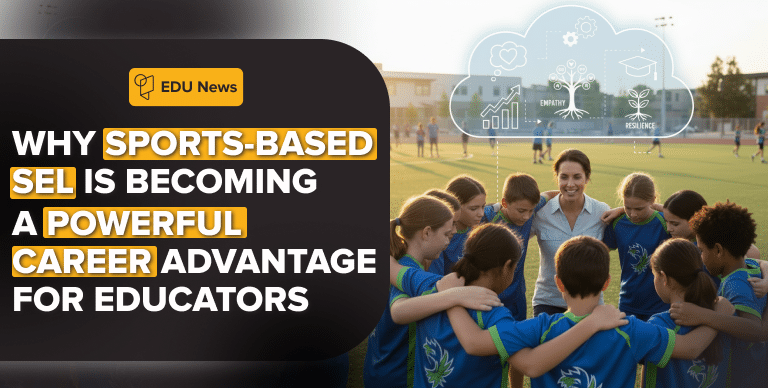
According to reporting by Education Week, schools are increasingly integrating social-emotional learning into athletic programs rather than treating it as a standalone subject.
The reasoning is straightforward. When intentionally structured, youth sports can develop goal-setting, empathy, self-control, resilience, and teamwork in real time. Students navigate stress. They experience wins and losses. They learn to support peers under pressure.
One California district built a sports league where students practice multiple times per week and participate in facilitated SEL sessions during the season. Coaches and social workers work together. The focus is not just performance. It is mastery, reflection, and growth.
This is not an extracurricular add-on. It is a delivery model shift.
What This Means for Educators
This trend reshapes how schools think about talent, leadership, and hiring.
SEL Is Becoming Embedded, Not Isolated
Standalone SEL programs can face resistance or budget cuts. Integrated models are more sustainable.
If you can demonstrate that you build collaboration, emotional regulation, and resilience inside academic lessons or extracurricular activities, you align with where schools are heading.
For ESL and EAL educators, this is especially relevant. Language acquisition requires confidence, identity development, peer interaction, and emotional safety. You are already facilitating many of these competencies. Now is the time to articulate that clearly in interviews and applications.
Coaching Is Expanding Into Development Leadership
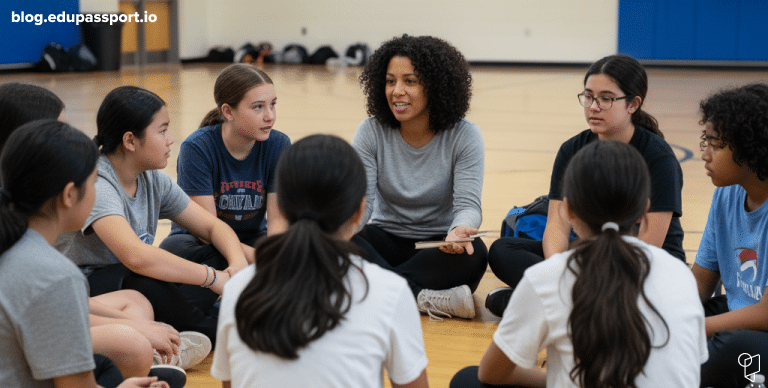
Coaches in these models are not just running drills. They are guiding reflection, modeling composure, and teaching students how to respond constructively to stress.
Schools need educators who can:
- Facilitate team discussions
- Lead restorative conversations
- Emphasize mastery over winning
- Build psychologically safe environments
If you have advisory experience, club leadership, or mentoring background, this strengthens your leadership profile. International schools especially value educators who contribute to campus culture beyond the classroom.
Whole-Child Education Is a Competitive Advantage Globally
International schools often compete on well-being and holistic development. Integrated sports-based SEL programs reinforce that positioning.
If you are exploring global mobility, watch for schools that emphasize:
- Experiential learning
- Character education
- IB or holistic frameworks
- Enrichment and after-school programming
Your ability to support structured extracurricular initiatives can differentiate you in competitive hiring markets.
Collaboration Across Departments Is Increasing
In the district example, social workers and coaches co-facilitated sessions. That signals a broader shift toward cross-functional models.
Educators who collaborate with counseling teams, student services, and extracurricular leaders are becoming more valuable. Schools want professionals who operate beyond silos.
Isolation limits growth. Integration creates leverage.
Skill Shifts to Watch
If this model continues expanding, demand will likely increase for:
- Trauma-informed coaching strategies
- Conflict mediation techniques
- Youth development frameworks
- Structured reflection tools
- Inclusive team-building methods
You do not need to be an athletic specialist. You do need to understand how experiential environments build character and confidence.
Strategic professional development in these areas strengthens your career narrative.
How Educators Can Prepare
Start with clarity.
Audit where you already teach resilience, teamwork, and emotional regulation. Make it visible in your portfolio and professional profiles.
Seek cross-role opportunities. Volunteer for advisory groups. Support extracurricular programs. Partner with colleagues in student services.
Upskill intentionally. Short certifications or workshops in youth development or restorative practices can enhance your credibility.
Monitor job descriptions closely. Notice how often schools reference whole-child education, student well-being, and extracurricular engagement. That language signals hiring priorities.
Position yourself as proactive, not reactive.
Where EDU Passport Fits In
As education models evolve, access to global opportunity becomes critical.
Platforms like EDU Passport help educators track international teaching roles that highlight holistic education, student well-being, and extracurricular leadership expectations. You can discover global conferences focused on SEL and youth development, connect with vendors offering coach training tools, and expand your professional network with school leaders implementing integrated models.
When you understand how schools are redefining success, you can align your career accordingly.
The Bigger Opportunity
This shift is not about turning teachers into sports coaches. It is about redefining where learning and character development happen, and who leads that work. Schools are building environments that value emotional intelligence as much as academic rigor, and they are looking for educators who can contribute to both.
If you can teach content while cultivating resilience, collaboration, and confidence, you are aligned with the future of global education. Stay alert to where these models are emerging. Explore roles that value whole-child leadership. Surround yourself with a professional network that tracks global education shifts. The opportunity is not on the sidelines. It is already in play.