



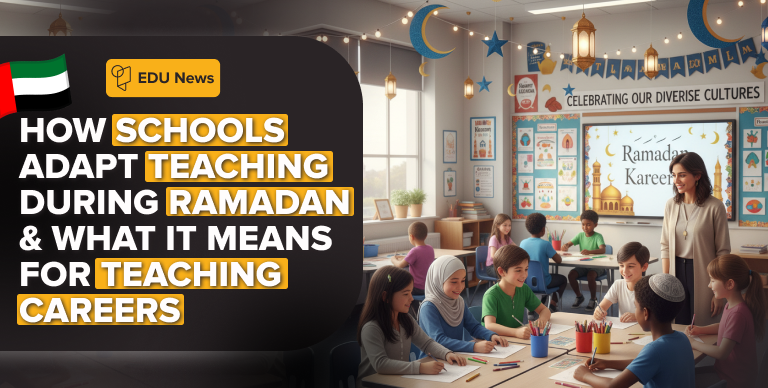

Every year, schools across Muslim-majority countries adjust schedules during Ramadan. On the surface, these changes may look like simple timetable shifts. In reality, they reveal how global education is evolving toward flexibility, cultural awareness, and student-centered learning.
Recent reporting by Gulf Today highlighted how the UAE Ministry of Education shortened lesson periods and introduced hybrid learning adjustments during Ramadan in the United Arab Emirates. While these adaptations support student wellbeing during the holy month, they also reflect a larger global trend.
For educators, especially those interested in international schools or Middle East teaching careers, Ramadan scheduling offers a powerful insight into the skills schools increasingly value.
What’s Changing in Teaching During Ramadan
Schools in Muslim-majority regions frequently modify learning schedules to balance academic continuity with student wellbeing during fasting periods. These adjustments often include shorter lessons, hybrid teaching days, and reduced workload expectations.
Several teaching trends commonly emerge during Ramadan.
Shorter and More Focused Lessons
Lesson durations are often reduced. Teachers must deliver learning outcomes efficiently while maintaining student engagement. This shift encourages structured, high-impact teaching methods that prioritize clarity and interaction.
Increased Hybrid and Remote Learning
Some schools introduce remote learning days during Ramadan. This allows flexibility for students and families while maintaining curriculum pacing. Teachers must design lessons that transition smoothly between classroom and digital environments.
Culturally Responsive Classroom Planning
Educators adjust lesson pacing, assessment preparation, and homework expectations. Schools emphasize wellbeing, energy management, and supportive classroom environments during fasting periods.
Assessment Focus and Learning Efficiency
Many schools align lesson time with exam preparation and formative assessment strategies. Teachers are encouraged to maximize class productivity while reducing cognitive overload for students.
These scheduling changes are not limited to Ramadan. They mirror a growing global shift toward flexible learning structures and wellbeing-focused education models.
Why Ramadan Teaching Experience Matters for Educator Careers

Teaching during Ramadan develops professional skills that international schools actively seek. Educators who succeed in these environments demonstrate adaptability, cultural intelligence, and instructional efficiency.
High Demand for Efficient Teaching Skills
Shorter Ramadan lessons require teachers to prioritize outcomes and deliver focused instruction. Schools increasingly value educators who can:
- Design concise lesson plans
- Use interactive teaching strategies
- Maintain strong classroom engagement
- Adjust pacing without sacrificing learning quality
ESL and EAL teachers often excel in these structured approaches, making them highly competitive in international school hiring.
Strong Demand Across Middle East International Schools
The Middle East continues to be one of the fastest-growing regions for international education careers. Countries such as the UAE, Saudi Arabia, Qatar, and Oman frequently recruit educators with experience teaching during culturally significant periods like Ramadan.
Schools in these regions often seek educators who:
- Understand culturally responsive teaching practices
- Demonstrate flexibility in scheduling and curriculum delivery
- Show experience working with multilingual and diverse student populations
- Adapt teaching methods to student wellbeing priorities
Ramadan teaching experience signals readiness for international school environments across the region.
Hybrid Teaching Experience Is Becoming Essential
Ramadan scheduling often includes remote learning components. Educators who develop hybrid teaching skills gain an advantage in global recruitment.
Schools value teachers who can:
- Build engaging digital lesson materials
- Manage virtual classroom participation
- Use technology to track student progress
- Design lessons adaptable across multiple learning formats
Hybrid teaching experience strengthens professional portfolios and expands global job mobility.
Pathways to Leadership and Curriculum Development Roles
Flexible scheduling requires schools to rethink curriculum pacing and assessment strategies. Educators experienced in Ramadan teaching often transition into roles such as:
- Curriculum planning specialists
- Academic coordinators
- Instructional coaches
- Professional development facilitators
These leadership pathways are expanding as schools adopt flexible learning models worldwide.
How Educators Can Prepare for Teaching During Ramadan and Similar Flexible Calendars
Preparing for Ramadan teaching environments helps educators build global career readiness. These strategies also apply to flexible school systems beyond Muslim-majority countries.
Develop Micro Lesson Planning Skills
Practice delivering clear learning objectives within shorter lesson periods. Focus on:
- Structured lesson sequencing
- Quick formative assessment methods
- Interactive student-centered activities
- Efficient transitions between tasks
Micro teaching is becoming a core international teaching skill.
Strengthen Digital Teaching Confidence
Hybrid learning is increasingly common during Ramadan scheduling. Educators should:
- Explore virtual classroom platforms
- Design asynchronous learning materials
- Create engaging digital assessment strategies
- Build blended learning lesson plans
Digital fluency significantly increases international employability.
Build Cultural Awareness and Inclusive Teaching Practices
Understanding religious and cultural observances is critical for international school success. Educators can prepare by:
- Learning about Ramadan classroom expectations
- Adjusting lesson pacing to support student energy levels
- Developing inclusive classroom routines
- Practicing culturally responsive communication strategies
Cultural intelligence strengthens both classroom impact and leadership potential.
Highlight Ramadan and Flexible Teaching Experience in Professional Profiles
Educators should showcase adaptability by documenting:
- Hybrid teaching experience
- Flexible curriculum delivery examples
- Cross-cultural classroom strategies
- Student engagement success during adjusted schedules
These experiences help educators stand out when applying for Middle East and international teaching roles.
Where Educators Can Discover Ramadan-Friendly International Teaching Opportunities
As schools expand flexible scheduling models, demand for adaptable educators continues to grow across international education markets.
Platforms like EDU Passport help educators explore:
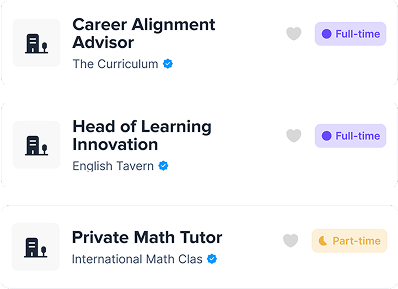
- International teaching jobs in Middle East and global schools
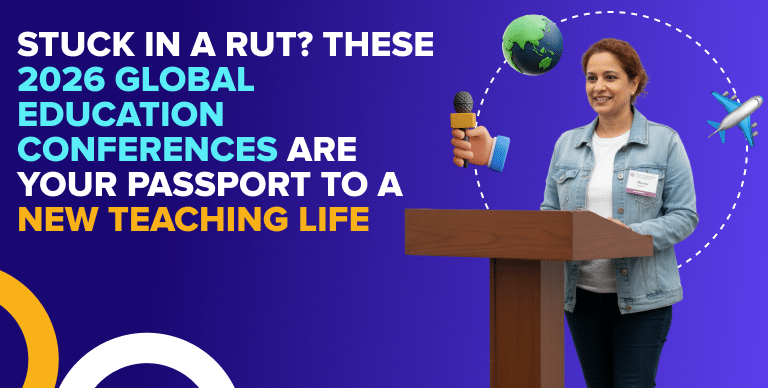
- Education conferences focused on culturally responsive teaching
- Education technology vendors supporting hybrid classrooms
- Professional development programs designed for global teaching careers
Exploring global opportunities allows educators to build skills aligned with modern international education demands.
The Future of Teaching Is Flexible, Cultural, and Global
Ramadan teaching adjustments demonstrate how schools are prioritizing wellbeing, adaptability, and inclusive learning environments. These changes reflect long-term global education trends rather than temporary calendar modifications.
Educators who embrace flexible scheduling, hybrid teaching, and culturally responsive practices position themselves for stronger international career growth. These skills open doors to leadership opportunities, curriculum innovation roles, and global teaching pathways.
The educators who adapt today will help shape the future of international education.
Ready to Explore Global Teaching Opportunities?
Join EDU Passport to discover international teaching jobs, professional events, and career tools designed to support educators working across diverse global learning environments.