






Landing a job at an international school sounds like a dream for many teachers. Better salaries, global exposure, diverse classrooms, and often a much higher quality of life. But the process can feel confusing if you have never done it before.
The good news is that it is absolutely achievable if you approach it the right way. This guide breaks down everything you need to know, step by step, in a clear and practical way.
What is an international school job
International schools are private institutions that follow global curricula such as British, American, or International Baccalaureate. They are usually located in major cities and cater to expatriate families as well as local students.
These schools are known for offering competitive salaries, modern facilities, and strong career growth opportunities. Many also provide benefits such as housing, flights, and health insurance.
Why teachers want international school jobs
The appeal goes beyond just salary. Teachers are drawn to the experience of living abroad, working in multicultural environments, and gaining international career exposure.
In many cases, teachers can save more money than they would in their home country, especially in regions with tax-free income or lower living costs.
Step 1: Get the right qualifications
Most international schools have strict hiring requirements. You typically need a recognized teaching qualification and a university degree.
Common requirements include a Bachelor’s degree in education or your subject area, a teaching license such as PGCE or state certification, and at least two years of classroom experience.
Top-tier schools are often more selective and may require experience with specific curricula such as IB or Cambridge.
Step 2: Build a strong teaching profile
Your CV needs to stand out. International schools are not just looking for qualifications, they want teachers who can adapt, communicate well, and contribute to a global environment.
Focus on highlighting your teaching experience, student outcomes, extracurricular involvement, and any international or multicultural exposure.
Having experience with technology in the classroom is also a strong advantage in modern international schools.
Step 3: Choose the right regions
Not all regions offer the same opportunities or benefits. Some of the most popular destinations include the Middle East, Southeast Asia, and Europe.
The Middle East often offers tax-free salaries and full benefit packages. Asia provides strong demand and competitive pay. Europe can be more competitive but offers a strong lifestyle appeal.
Your choice should depend on your priorities, whether that is saving money, lifestyle, or career development.
Step 4: Use the right job platforms

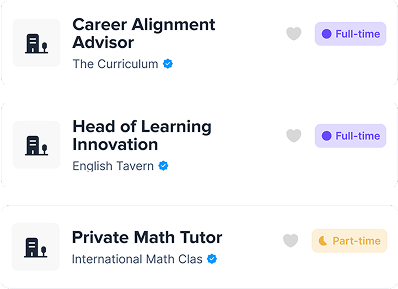
Most international school jobs are not found on regular job websites. Instead, there are specialized platforms and recruitment agencies. Popular platforms include EDU Passport, Search Associates, TES, ISS etc. Many schools also post vacancies directly on their websites.
Recruitment fairs are another key route. These events allow you to meet schools, interview on the spot, and sometimes secure a job within days.
Step 5: Prepare for the interview process
Interviews for international schools often go beyond basic questions. Schools want to understand how you teach, how you handle diversity, and how you contribute to the school community.
Be ready to discuss your teaching philosophy, classroom management style, and examples of student success. Some schools may ask you to deliver a demo lesson.
Strong communication and cultural awareness are just as important as teaching ability.
Step 6: Understand the full compensation package
Salary is only one part of the offer. Many international schools provide additional benefits that can significantly increase your overall income.
These often include housing or housing allowance, annual flights, medical insurance, relocation support, and tuition discounts for dependents.
Always evaluate the full package before making a decision, not just the base salary.
Step 7: Timing matters
The main hiring season for international schools usually starts between October and March for positions beginning in August or September. However, there are also last-minute vacancies throughout the year, especially in regions with high demand.
Applying early gives you access to the best schools and positions.
Common mistakes to avoid
Many candidates make the mistake of applying without the required experience or sending generic applications. International schools are selective and expect tailored applications.
Another common issue is focusing only on salary without considering cost of living or overall benefits.
Finally, not preparing properly for interviews can reduce your chances significantly, even if your qualifications are strong.
A smarter way to position yourself
One thing that is becoming more important in international hiring is how clearly you present your experience and credentials.
Schools receive hundreds of applications, and they often spend only a few seconds scanning each one. Having a structured, professional way to showcase your background can give you a real advantage.
This is exactly where tools like an EDU Passport can quietly make a difference. Instead of sending scattered CVs and documents, you present a clean, verified profile that schools can easily review. It helps you stand out without having to oversell yourself.
Think of it less as an extra step, and more as a way to make your application easier for schools to trust and shortlist.
Conclusion
Getting an international school job is not just about luck. It is about preparation, positioning, and knowing where to look.
With the right qualifications, a strong profile, and a strategic approach, you can open the door to a career that offers both financial rewards and a global lifestyle. For many teachers, it is one of the most rewarding career moves they ever make.
You already have the potential, now it is time to present it the right way. Sign up and build your international career with EDU Passport