



For decades, being a great teacher was associated with knowledge, discipline, and classroom control. A teacher who could explain clearly, maintain order, and deliver results was considered successful.
That definition is no longer enough.
Today’s education system is shaped by rapid change, global connectivity, and evolving student expectations. Information is no longer scarce, and students are no longer passive learners. As a result, teaching has shifted from delivering content to guiding growth.
A great teacher today is not just someone who knows the subject, but someone who understands people, adapts quickly, and prepares students for a world that is constantly changing.
Beyond Knowledge: The Shift to Human-Centered Teaching
Content is now everywhere. Students can access explanations, tutorials, and information instantly. What they cannot easily access is meaningful guidance.
This is where great teachers stand out.
They create learning environments where students feel seen, heard, and motivated. They understand that education is not only about academic performance, but also about confidence, curiosity, and resilience.
In today’s classrooms, emotional intelligence is just as important as subject expertise. Teachers who can connect with students on a human level create deeper and more lasting impact.
Adaptability Is the New Core Skill
The modern education landscape is unpredictable. Curriculum changes, technology evolves, and student needs continue to shift.
A great teacher does not resist change. They evolve with it.
Adaptability shows in how teachers adjust their methods, experiment with new tools, and respond to different learning styles. It is reflected in their willingness to learn, unlearn, and relearn.
This mindset allows them to stay relevant, not only for today’s students but for the future of education itself.
Teaching Is Now a Global Profession
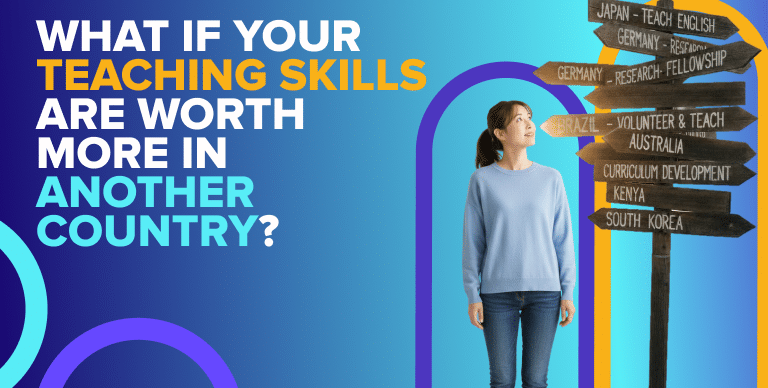
One of the biggest transformations in education is that teaching is no longer limited by geography.
Teachers today are part of a global ecosystem. Skills developed in one country can be applied in another. Opportunities are no longer confined to local systems.
This shift changes what it means to be a great teacher.
It is no longer just about succeeding in one environment, but about being able to adapt across cultures, curricula, and expectations. Teachers who understand global standards and diverse classrooms bring significantly more value.
The Balance Between Structure and Creativity
A great teacher understands the importance of structure, but also knows when to move beyond it.
Rigid systems can limit creativity, while too much flexibility can create confusion. The key is balance.
Effective teachers design learning experiences that are both organized and engaging. They guide students while also giving them space to think, question, and explore.
This balance is what turns lessons into meaningful experiences rather than routine activities.
The Classroom Is No Longer Just a Classroom
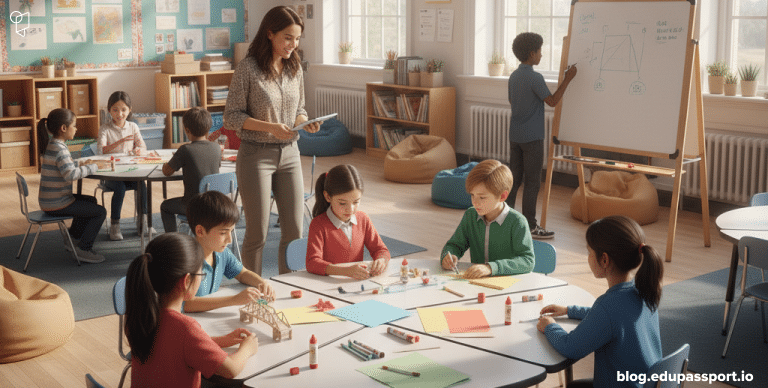
Learning today happens through interaction, collaboration, and exploration.
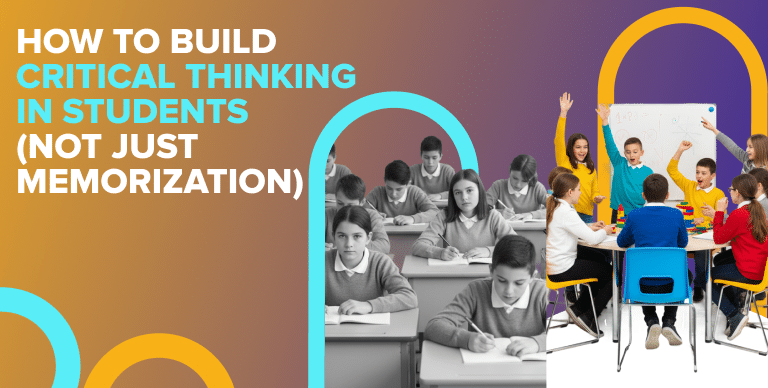
Great teachers design environments where students actively participate instead of passively receive information. They encourage dialogue, critical thinking, and real-world application.
This approach not only improves understanding but also prepares students for environments beyond school, where problem-solving and communication are essential.
Growth Mindset Defines Great Teachers
Perhaps the most important trait of a great teacher today is the willingness to grow.
Education is evolving, and teachers who remain static risk becoming disconnected from both students and opportunities. Those who invest in their development, explore new environments, and expand their perspectives continue to grow in both impact and career potential.
Growth is not only about improving teaching methods. It is also about exploring new paths, including international opportunities, different education systems, and diverse student communities.
Conclusion: Great Teachers Don’t Stay in One Place, They Evolve
What makes a great teacher today is no longer defined by a single skill or traditional standard.
It is a combination of adaptability, emotional intelligence, global awareness, and continuous growth. The most impactful teachers are those who are willing to evolve with the world around them and seek environments that allow them to do their best work.
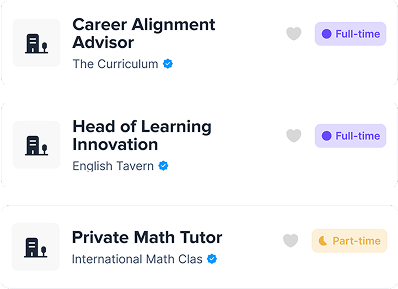
For educators who want to grow beyond limitations and explore where their skills are truly valued, platforms like EDU Passport offer a pathway to connect with international opportunities and expand their professional journey. Because sometimes, becoming a better teacher is not about changing what you do, but changing where you do it.