


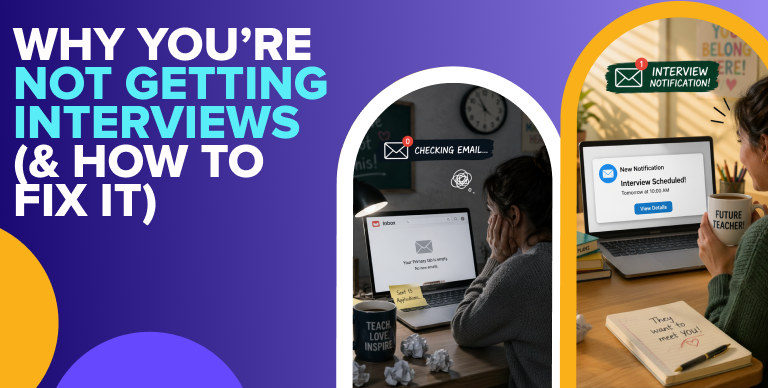
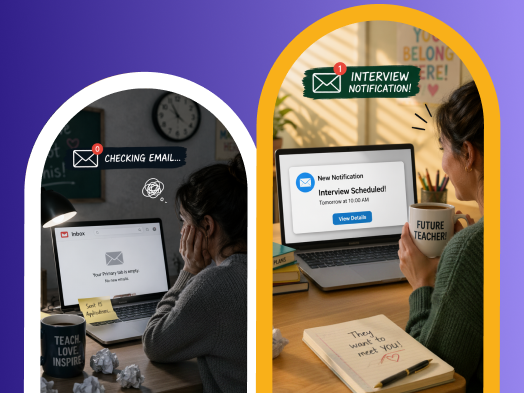
At first, it feels like a numbers game. You send out applications, update your CV, maybe tweak a few sentences, and wait. Days pass, then weeks. Still nothing.
No interviews. No feedback. Just silence. It’s frustrating, especially when you know you’re qualified.
But here’s the uncomfortable truth: not getting interviews is rarely about your ability as a teacher. It’s about how you’re being seen.
Most teachers assume they’re being rejected because they lack experience or credentials.In reality, schools often don’t even get far enough to judge that. They scan your application quickly. If it doesn’t immediately make sense, if your strengths aren’t obvious, they move on.
It’s not personal. It’s a filtering process. And if your application isn’t clear, it gets filtered out.
What Schools Are Actually Looking For
When international schools review candidates, they’re not just asking, “Is this person qualified?”
They’re asking something simpler: “Can we understand this teacher in under 10 seconds?”
That includes your background, your subject expertise, your teaching level, and how you might fit into their school. If that picture isn’t clear right away, your application becomes a question mark, and question marks rarely get interviews.
This is where things get frustrating. Many strong teachers never get interviews, not because they aren’t good, but because their applications don’t communicate their value clearly. Important details are scattered, achievements are buried, and the overall story feels incomplete.
From the outside, it doesn’t look like a strong profile, even if it actually is. And in a competitive hiring process, clarity always wins.
The Small Shift That Changes Everything
Getting more interviews isn’t about becoming a better teacher overnight.It’s about making your strengths impossible to miss.
When your experience is structured clearly, when your profile tells a coherent story, and when schools can instantly understand where you fit, everything changes.
Suddenly, you’re not just another application. You’re a relevant candidate.
How to Fix It Without Guessing
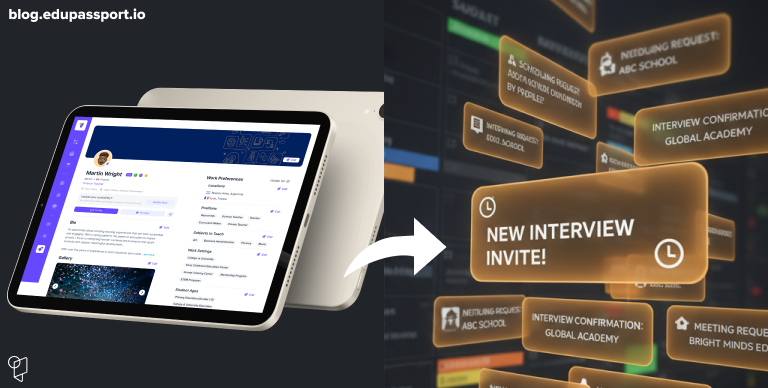
Instead of constantly adjusting your CV and hoping for different results, a better approach is to rethink how you present yourself entirely.
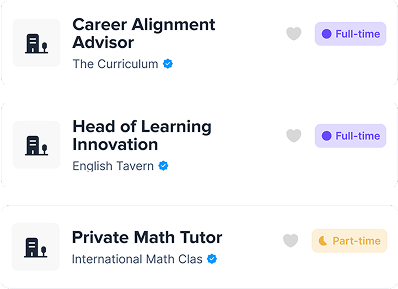
This is why more teachers are moving toward structured profiles rather than traditional applications. A well-organized profile makes it easier for schools to quickly understand your strengths and match you with the right roles.
Platforms like EDU Passport are built around this idea. They help teachers present their experience in a clear, standardized way, making it easier for schools to recognize strong candidates without confusion.
It’s a simple shift, but it removes one of the biggest barriers in the hiring process.
The Difference You’ll Start to Notice
When your profile becomes clearer, something interesting happens.
You don’t just get more responses, you get better ones.
Schools reach out with roles that actually match your experience. Conversations feel more relevant. The process becomes less about chasing opportunities and more about choosing the right ones.
That’s when the job search starts to feel different.
Conclusion: It’s Not About Luck, It’s About Clarity
If you’re not getting interviews, it doesn’t mean you’re not good enough. It usually means your application isn’t showing your value clearly enough. Once you fix that, the results follow.
Focus on clarity, structure, and positioning. Make it easy for schools to understand who you are and what you offer.
And if you want to simplify that process, tools like EDU Passport can help you present your profile in a way that aligns with how international schools actually hire.
Because interviews don’t come from applying more. They come from being understood faster.