




Finding a teaching job abroad can be exciting, but it also comes with real risks.
Not every school that looks professional online is trustworthy. Some lack proper accreditation, others offer unclear contracts, and a few may even disappear after hiring. For teachers, especially those applying internationally, knowing how to filter verified schools is essential.
The goal is not just to get hired, but to get hired by the right school. This guide will show you how to do that with confidence.
What Does “Verified School” Actually Mean
A verified school is not just one that exists, but one that meets recognized standards in education, operations, and hiring practices.
These schools are typically:
- Accredited by recognized organizations
- Transparent about contracts and benefits
- Consistent in their hiring process
- Known within the international teaching community
Verification reduces uncertainty. It helps you trust that what is offered matches reality.
Why Filtering Schools Matters More Than Ever
The global demand for teachers has increased, but so has the number of unregulated or low-quality institutions.
Many teachers make the mistake of applying quickly without checking details. This can lead to issues such as delayed salaries, unclear job roles, or poor working conditions.
Filtering schools properly protects not just your income, but your overall experience abroad.
Step 1: Check Accreditation and Curriculum
The first and most reliable indicator of a verified school is accreditation.
Legitimate international schools are often affiliated with recognized curricula such as IB, Cambridge, or American systems. They are also accredited by educational organizations that evaluate standards.
If a school does not clearly state its accreditation, that is a red flag.
Step 2: Look at Transparency in Job Listings
Verified schools tend to be clear and structured in how they present job opportunities.
You should be able to find:
- Clear job descriptions
- Salary ranges or package details
- Contract duration
- Expectations and responsibilities
Vague or overly generic listings can indicate a lack of professionalism.
Step 3: Research the School’s Reputation
Before applying, take time to understand how the school is perceived.
Look for:
- Teacher reviews
- Online discussions
- Mentions in teaching communities
While not every review will be perfect, consistent negative feedback about management or salary issues should not be ignored.
Step 4: Evaluate the Hiring Process
A verified school usually follows a structured hiring process. This often includes interviews, reference checks, and sometimes demo lessons. If a school offers a job immediately without proper screening, that is a warning sign.
Professional schools take hiring seriously because they are investing in long-term staff.
Step 5: Review the Contract Carefully
Contracts reveal more than job descriptions.
Look for clarity in:
- Salary and payment schedule
- Benefits such as housing and flights
- Working hours
- Termination clauses
If details are missing or unclear, ask questions before proceeding.
Step 6: Watch for Red Flags
Some warning signs are easy to overlook but important to catch early.
Be cautious if:
- Communication feels inconsistent or rushed
- The offer seems unusually high with little explanation
- The school avoids answering direct questions
- There is pressure to accept quickly
These signals often indicate risk.
Step 7: Use Platforms That Prioritize Verified Schools

One of the simplest ways to reduce risk is to use platforms that focus on verified schools.
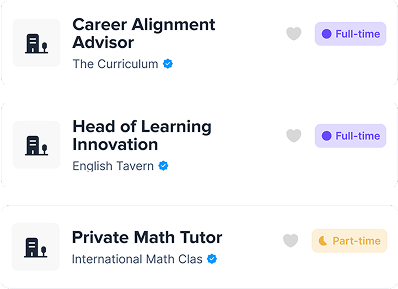
Instead of searching randomly, these platforms filter opportunities based on credibility, making it easier to identify trustworthy employers. They also help standardize how information is presented, which improves transparency.
This saves time and reduces uncertainty during your job search.
The Hidden Risk Most Teachers Ignore
Many teachers assume that if a school looks professional, it must be legitimate.In reality, presentation can be misleading. A well-designed website does not guarantee a well-run institution.
Verification comes from consistency, transparency, and external recognition. Understanding this difference can prevent costly mistakes.
Conclusion
Learning how to filter verified schools is one of the most important steps in securing a successful teaching job abroad. It is not just about avoiding scams, it is about choosing an environment where you can grow professionally and feel secure.
By focusing on accreditation, transparency, reputation, and structure, you can confidently identify schools that are worth your time and effort.
If you want to simplify this process, using a platform like EDU Passport can help you access verified opportunities and present your profile in a way that trusted schools prefer.
Make smarter choices, apply with confidence, and move forward with the right opportunities.